
Residential Design Trends: Inspire Your Next Upgrade
Homes are changing faster than ever, and the most exciting updates come from the latest residential design trends. Whether you’re planning a full renovation or a small refresh, these trends offer inspiration that blends beauty with practicality. From sustainable materials and expressive colour palettes to indoor-outdoor living and technology that quietly supports your routine, today’s design landscape is more personal, more natural and more intentional than in years past.
Embracing Natural Materials and Textures
Designers are leaning heavily toward authentic materials—stone, reclaimed timber, clay, rattan, linen, and textured metals. Instead of sterile perfection, the goal is warmth, tactility, and depth. According to Decorilla’s 2025 design forecast, natural finishes paired with earthy tones and warm metallics are key features shaping modern interiors.
Natural materials change how a room feels. Wood grain brings comfort; stone adds permanence; woven textures invite softness. These elements make a home look curated rather than mass-produced.
Applying This Trend in Your Space
Introduce a stone backsplash, swap glossy hardware for brushed metal, or add woven furniture. Even small touches—like textured throws or sisal rugs—create a grounded, organic vibe.
Curves, Arches and Organic Forms
Among the most eye-catching residential design trends is the rise of curved silhouettes. Houzz highlights arches as a defining element for 2025—showing up in doorways, cabinetry, mirrors, and even wall niches. Soft shapes create a calm, flowing visual rhythm that breaks away from rigid modern lines.
Curves offer comfort not only visually but physically: rounded furniture is easier to move around, and arched details soften transitions between rooms.
Bringing Curves Into Your Home
Think about introducing an arched mirror, a curved sofa, or lighting fixtures with fluid shapes. If you’re renovating, an arched entryway instantly adds character without overwhelming your design.
Indoor-Outdoor Living and Biophilic Connection
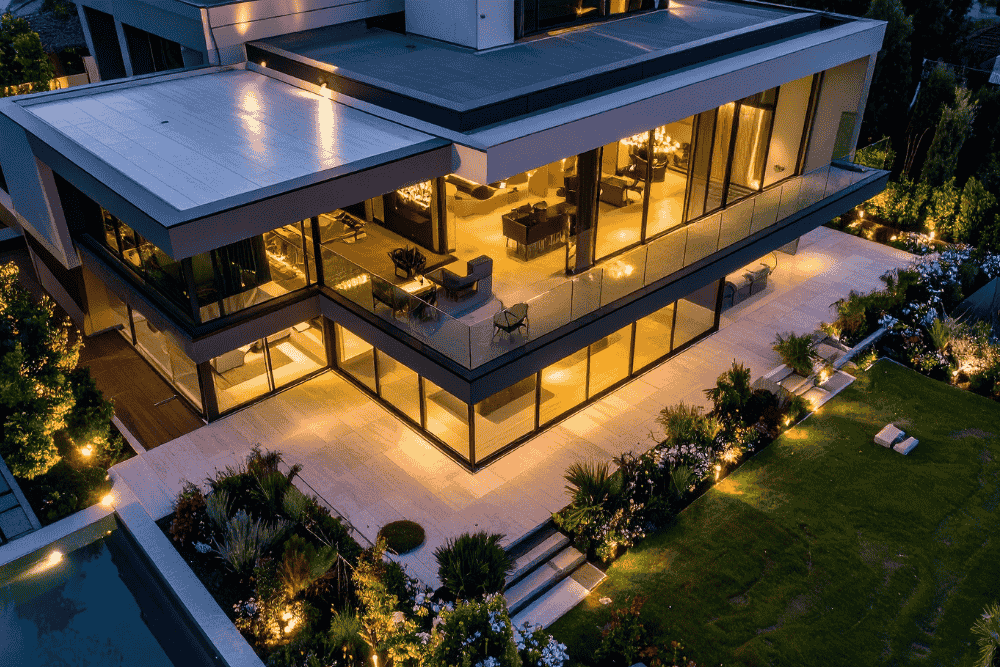
Today’s homes blur the line between outside and inside. Large sliding doors, panoramic windows, indoor planters, green walls, and natural light have become essential elements for wellness-oriented design. Interior Design magazine notes indoor-outdoor kitchens, shared materials, and uninterrupted sight-lines as major growth areas.
This trend isn’t just about beauty; it’s about well-being. Nature lowers stress, improves air quality, and strengthens the sense of openness.
Ways to Embrace the Biophilic Movement
Use large windows, expand outdoor seating, or introduce indoor greenery. Materials like stone, terra cotta, and wood help tie everything together.
Colour Trends and Expressive Palettes
While neutrals still have their place, homeowners are becoming bolder. Rich tones—terracotta, moss, aubergine, deep blues and warm metallic highlights—are replacing the all-white interiors of past decades. Decorilla and Architizer both emphasize this push toward expressive palettes for 2025.
Colour adds personality and emotion. It sets the mood, whether calm and earthy or vibrant and energetic.
Bringing Colour Into Your Home
Start with an accent wall, colourful artwork, or textiles. If you prefer subtlety, metallic hardware in brushed silver or pewter adds depth without demanding attention.
Sustainable Design and Long-Term Functionality
Sustainability is becoming a baseline expectation. Reclaimed materials, low-VOC paints, energy-efficient appliances, and green certifications guide consumer choices. Decorilla notes that environmentally conscious decisions—not just aesthetics—now define good design.
Functionality goes hand-in-hand with sustainability. Flexible spaces, multi-purpose rooms, and built-ins support modern, efficient living.
Making Sustainable Choices
Select certified sustainable finishes, upgrade insulation, and choose furniture built to last. If you work from home often, consider multifunctional layouts that evolve with your routine.
Personalisation and Story-Driven Spaces
One of the most refreshing residential design trends is the move toward “storytelling interiors.” Interior Design magazine highlights the shift from impersonal style to spaces filled with meaning. House & Garden agrees, noting homeowners prefer interiors that feel “lived-in and loved.”
Personalisation is about layering memories, vintage pieces, custom touches, and items that reflect your identity.
Ways to Personalise Your Space
Experiment with unique wall art, heirlooms, travel souvenirs, or custom millwork. Homes now favour individuality over perfection.
Technology and Smart Integration That Enhances Aesthetics
Smart homes are becoming more intuitive—yet less visually intrusive. Technology integrates quietly into walls, ceilings, and furnishings. Homeowners want convenience without a “tech takeover.”
Hidden speakers, adaptive lighting, voice-controlled climate systems and seamless security features make homes more capable but no less beautiful.
Enhancing Your Space With Invisible Tech
Choose flush-mounted outlets, minimalist switches, or furniture with built-in charging. Select devices with simple, design-forward aesthetics so technology blends naturally into your space.
Final Thoughts
Residential design trends today focus on creating spaces that feel natural, expressive and aligned with personal lifestyles. Materials are warming up, colours are becoming richer, shapes are softening, and nature is becoming central. Homes today aren’t just places to live—they are reflections of identity, tools for well-being and environments that adapt to modern life.
Whether you’re renovating or refreshing one room, consider incorporating one or two of these influential trends. Your home should evolve with you, and these ideas offer a beautiful place to begin.
FAQs about Residential Design Trends
What are the most important residential design trends for 2025?
Key design trends include natural materials, earthy colour palettes, curving architectural forms, biophilic elements, personalisation, sustainability, and discreetly integrated smart technology. These directions are highlighted by Decorilla, Houzz, and Interior Design magazine.
How can I use residential design trends in a small home?
Focus on texture, light and multifunctionality. Curved furniture improves flow, indoor plants create a greater sense of space, and multipurpose furniture helps small rooms work harder without feeling crowded.
Are natural materials truly sustainable?
Yes—when sourced responsibly. Reclaimed wood, FSC-certified timber, natural stone, clay, and low-VOC finishes contribute to healthier homes and better environmental performance.
Do I need to follow trends strictly to stay current?
Not at all. Modern trends emphasise individuality rather than conformity. Use trends as inspiration and integrate elements that resonate with your lifestyle and taste.
How expensive is it to add smart technology to my home?
Costs vary widely. You can start inexpensively with smart bulbs and plugs or invest in full-scale systems. The key is planning integration so technology supports the design rather than distracting from it.
How often should I update my home to match new trends?
Trends shift yearly, but core design principles—comfort, connection to nature, sustainability—are more enduring. Update when your home no longer meets your needs or when you’re ready for a change, not when trends demand it.