
Home Extension Ideas: Expand Living Space Thoughtfully
Expanding your home opens the door to comfort, creativity, and long-term value. The right Home Extension Ideas can reimagine how a household functions, introducing light, flow, and purpose into areas that once felt cramped or outdated. When planned carefully, a home extension becomes more than added square footage—it becomes a thoughtful upgrade to everyday living.
Understanding the Value of Home Extension Ideas
Great extensions begin with intention. When homeowners identify the purpose behind the extra space—whether for entertaining, relaxing, working, or growing—the final design naturally becomes more efficient, practical, and inviting.
Planning is a crucial early step. Building regulations governing structural safety, insulation, energy efficiency, and fire egress help ensure that the extension is safe and durable. Many countries outline these requirements publicly. In the U.K., the Planning Portal offers clear guidance on permitted development rules, helping homeowners understand when formal approval is necessary.
Budgeting also benefits from early clarity. Materials, labor, structural reinforcements, and utilities vary widely in cost, but strong planning reduces the risk of unexpected expenses later.
Popular Home Extension Ideas for Modern Living
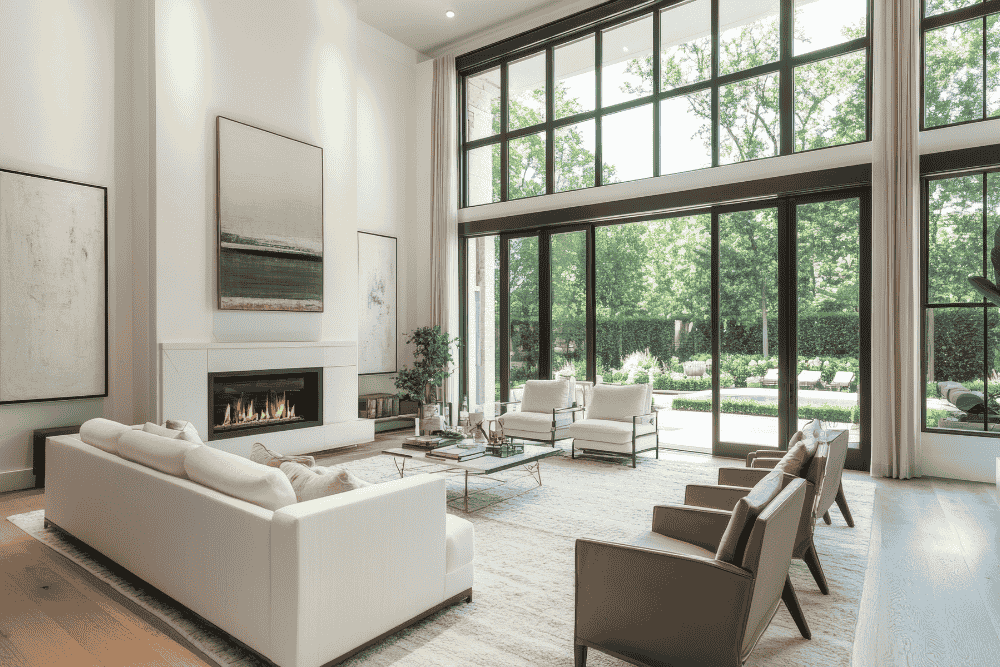
Open-plan extensions remain a favorite for homeowners seeking brighter, more connected environments. By removing internal walls and extending outward, it becomes easier to integrate living, dining, and kitchen areas, improving both social interaction and spatial flow.
Vertical extensions add space without reducing yard area. Adding a second story is ideal for small lots where outward expansion isn’t possible. It’s a transformative strategy, often adding new bedrooms, bathrooms, or flexible workspaces.
Garden rooms, sunrooms, and conservatories continue to gain popularity. These semi-indoor, semi-outdoor areas bring natural light into the home and create peaceful transitions between interior comfort and the surrounding landscape.
Kitchen-Focused Home Extension Ideas for Daily Efficiency
The kitchen is often the most active area of a home. Extending it can improve storage, traffic flow, energy efficiency, and comfort.
Rear kitchen extensions allow homeowners to incorporate islands, breakfast bars, walk-in pantries, or skylights. According to the U.S. Department of Energy, daylighting strategies—such as well-placed windows and reflective surfaces—reduce reliance on artificial lighting and lower energy consumption.
L-shaped or wraparound extensions offer even more flexibility. They provide room for dedicated dining spaces or multifunctional layouts that keep cooking, entertaining, and relaxation interconnected.
Home Office and Studio Home Extension Ideas
The rise of remote work has reshaped how people think about space. A dedicated office extension offers privacy, better acoustics, and purposeful design—crucial for productivity.
Creative professionals benefit from studio extensions. Whether for painting, photography, or music, these spaces thrive on open layouts, durable flooring, and controlled acoustics. Natural lighting orientation matters as well. Northern light, known for its consistency, is ideal for artistic workspaces because it avoids harsh shadows throughout the day.
Ventilation, wiring capacity, and adaptable shelving make the space future-proof, supporting both present tasks and long-term flexibility.
Upper-Level Home Extension Ideas for Growing Families
Adding a second story remains one of the most impactful and value-boosting extension methods. New bedrooms, bathrooms, or family retreats can dramatically improve lifestyle and functionality.
Structural assessment is essential. A qualified structural engineer evaluates load-bearing walls, foundation integrity, and roof removal or redesign requirements. This ensures that the new level integrates safely with the original home.
Upper-level additions also allow homeowners to introduce better circulation. Adjusting staircase placement or creating more efficient hallways elevates both aesthetics and practicality.
Outdoor and Sunroom Home Extension Ideas
Outdoor-focused extensions make homes feel brighter and more expansive without significant structural work. Sunrooms and garden rooms bring in generous light while maintaining protection from weather.
Modern sunrooms often use low-emissivity (Low-E) glass to regulate heat gain and loss. This increases comfort year-round, making the space enjoyable in both summer and winter.
Covered patios, pergolas, and outdoor kitchens extend usable living space into the garden. These additions enhance gatherings and relaxation, especially when combined with weather-resistant materials, built-in lighting, and ventilation features.
Final Thoughts
Well-designed Home Extension Ideas can uplift the entire rhythm of daily life. Whether the project involves expanding upward, opening the kitchen, adding a sunroom, or building a garden studio, each extension becomes a meaningful improvement to comfort and functionality.
The strongest extensions balance aesthetics, building regulations, structural safety, and natural light. When approached thoughtfully, they transform not only a home’s layout but also the way its inhabitants feel and move within it. Exploring quality ideas today sets the stage for a more adaptable, welcoming home tomorrow.
FAQs about Home Extension Ideas
How long does a typical home extension project take?
Most extensions take between three and six months, depending on size, design complexity, weather conditions, and contractor schedules. Projects that involve structural changes, such as adding a second floor, may require longer timelines.
Do I always need planning permission for a home extension?
Not always. Many homes qualify for permitted development, which allows certain types of extensions without formal planning permission. However, rules vary by country and local regulations. The U.K.’s Planning Portal offers specific guidance for homeowners.
Are home extensions a good investment?
Yes, when designed well. Extensions that add bedrooms, bathrooms, or modern kitchens generally deliver strong returns, improving both functionality and resale value.
What materials work best for home extensions?
Materials should reflect local climate, architectural style, and building codes. Insulated walls, durable siding, and energy-efficient windows are often recommended for long-term performance and comfort.
What is the most cost-effective type of home extension?
Single-story rear extensions are typically the most affordable because they involve fewer structural complexities. Sunrooms and garden rooms also offer cost-effective ways to increase usable space.
How can I make sure my extension blends with the existing home design?
Matching rooflines, window shapes, siding materials, and color palettes helps the new structure feel cohesive. Designers often use proportional alignment to mirror the original home’s visual rhythm.