Design Build Process: Simplify Your Construction Journey
The design build process has become one of the most trusted ways to manage modern construction projects. By combining design and construction under one contractual roof, it helps owners cut through delays, reduce confusion, and gain clarity from day one. If you’re beginning a construction journey, understanding how this method works can help you reach completion with fewer obstacles and better results.
What Is the Design Build Process?
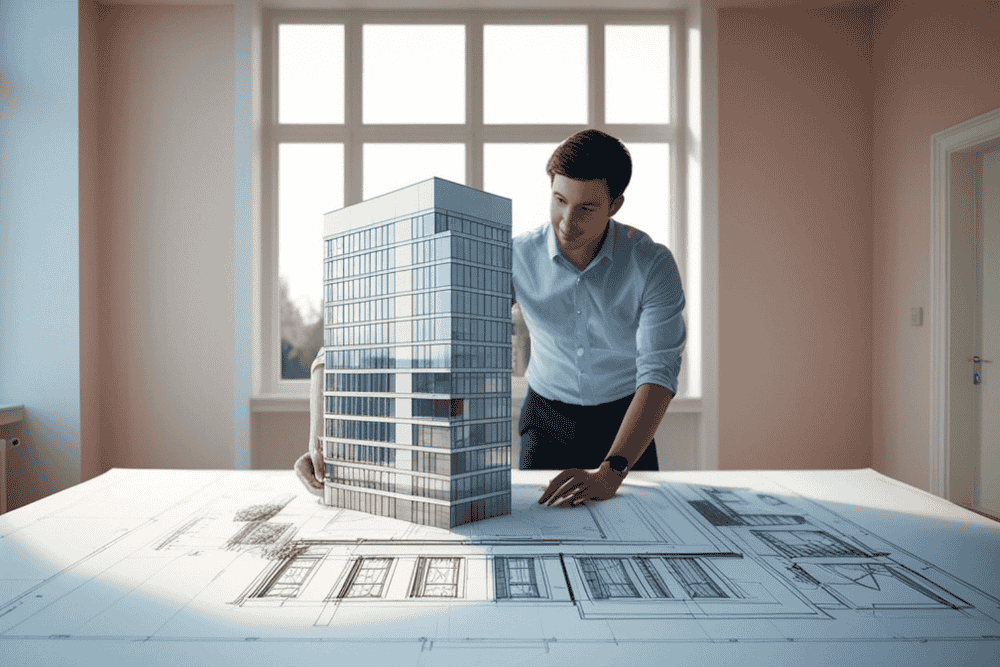
The design build process brings design and construction services together under one unified team. Instead of hiring an architect first and a contractor later, both roles operate collaboratively from the start under a single contract.
This approach streamlines communication, supports faster decision-making, and reduces disputes. Design and construction experts work side-by-side, strengthening coordination and eliminating the usual hand-off gaps that create delays in traditional systems.
Integrated delivery isn’t just a structural shift—it’s a major change in how teams think and work together, promoting accountability and continuous collaboration.
Key Phases in the Design Build Process
The design build process unfolds in a series of connected phases that overlap intentionally, allowing teams to shorten the overall schedule.
Project Definition & Pre-Construction
Everything begins with establishing what the owner needs. Goals, budgets, timelines, and performance criteria are clarified early. The design-build team enters at this moment to shape feasibility, risks, and project direction.
Design and Planning
Design work starts with architectural concepts, engineering solutions, and early cost estimation. Because contractors are involved from the beginning, plans are more practical, affordable, and aligned with the schedule.
Construction
Construction may begin even before the full design is finalized. This controlled overlap is a hallmark of the process, shaving weeks or months off delivery time. The design-build entity manages procurement, quality, coordination, and site work.
Handover and Operation
After completion, the team carries out commissioning, testing, and handover. Many design-build contracts include extended warranties or maintenance responsibilities, further supporting long-term performance.
Benefits of the Design Build Process for Owners
The design build process offers several advantages that make it appealing for both public and private projects.
One Source of Accountability
With one team leading the entire project, owners avoid the blame-shifting that often arises between designers and contractors. Communication becomes faster and clearer.
Faster Delivery
Because design and construction can overlap, projects are completed significantly sooner. The integration removes bottlenecks that slow down traditional methods.
Improved Budget Control
Early cost input during design makes budgets more accurate and reduces costly surprises. Fewer change orders occur because teams resolve conflicts early in the design stage.
Enhanced Collaboration and Innovation
Designers and builders brainstorming together opens the door for more creative solutions, better material selection, and improved constructability.
Risks and Challenges of the Design Build Process
Despite its advantages, the design build process also has challenges worth understanding.
Reduced Owner Control Over Detailed Design
Some owners feel that combining responsibilities under one team may limit design influence. Clear expectations and early alignment help minimize this issue.
Need for Strong Early Definition
Because so much depends on early clarity, owners must know their priorities before design begins. Poorly defined projects can lead to revisions later.
Dependence on Team Quality
The success of the design build process relies heavily on choosing a skilled, trustworthy team. A poorly matched team can weaken collaboration and performance.
Balancing Cost and Design Intent
With both design and construction under one umbrella, budget efficiency may overshadow design aspirations unless carefully managed.
How to Implement the Design Build Process in Your Project
If the design build process seems like a fit, a mindful approach helps ensure strong project outcomes.
Define Your Objectives
Start with clarity—timelines, budgets, priorities—and determine whether design-build aligns with them.
Select the Right Team
Look for teams with a strong track record, integrated capabilities, and collaborative culture. Experience is critical.
Establish a Clear Contract
The agreement should outline responsibilities, risk allocation, communication procedures, quality requirements, and budget expectations.
Collaborate Early and Often
Active owner participation keeps goals aligned. Regular coordination meetings help maintain momentum.
Monitor Progress Throughout
Even with an integrated team, owners should maintain oversight to protect project interests.
Evaluate Final Performance
Review the building after handover to ensure it meets operational and performance expectations.
Comparison with Other Delivery Methods
Understanding alternatives helps highlight where the design build process stands out.
Design-Bid-Build
This traditional method separates design and construction into two contracts. While it offers strong design control, it also increases timeline length and risk of disputes.
Design Build
A unified team accelerates timelines, improves coordination, and reduces fragmentation.
Integrated Project Delivery
IPD goes even further by sharing risks and rewards across all parties under a multiparty agreement. While collaborative, it is more complex to structure compared to design-build.
Choosing between them depends on project goals, risk tolerance, and available expertise.
Key Metrics and Decision Points in the Design Build Process
Tracking performance indicators helps evaluate whether the design build process is succeeding.
Budget Performance
Lower cost growth and fewer change orders are common benefits of design-build.
Schedule Milestones
Owners typically see faster progress because design and construction overlap.
Quality and Sustainability
Integrated teams often deliver higher quality because constructability issues are resolved early.
Rate of Change Orders
A low change order rate indicates strong coordination and clear scope definition.
Owner Satisfaction
Smooth communication, fewer disputes, and predictable outcomes all contribute to higher satisfaction.
Common Mistakes to Avoid in Your Design Build Process
Undefined Project Goals
Skipping early planning leads to confusion and unaligned expectations later.
Choosing the Wrong Team
Experience in design-build specifically—not just design or construction alone—is essential.
Weak Governance
Contracts should be thoroughly written to avoid ambiguity.
Mismanaging Phase Overlap
While overlapping phases save time, they must be handled with strong planning.
Minimal Owner Involvement
Owner feedback is crucial throughout the project.
Ignoring Long-Term Performance
Consider lifecycle value, not just initial construction cost.
Final Thoughts
The design build process presents a powerful, efficient, and collaborative way to deliver construction projects. It strengthens communication, accelerates timelines, and reduces the friction commonly found in traditional delivery methods. While it requires clear early planning and a trustworthy team, the payoff can be substantial: smoother delivery, stronger results, and a more confident journey from concept to completion.
Any owner exploring modern project delivery should consider whether the design build process aligns with their goals, culture, and expectations. In the right conditions, it can transform the entire experience of building.
FAQs about Design Build Process
What types of projects are ideal for the design build process?
Projects with compressed schedules, complex designs, or high coordination needs benefit most. Commercial buildings, public infrastructure, and institutional facilities commonly use design-build because it reduces delays and enhances collaboration.
How is the design build process different from design-bid-build?
Design-bid-build separates design and construction into two contracts. Design-build combines them into one. The integrated approach minimizes conflict, saves time, and improves cost control.
Does design-build reduce project costs?
It often does. Early collaboration leads to more accurate budgeting, fewer change orders, and reduced rework. While final costs vary by project, design-build typically shows lower cost growth.
When should the design-build team be hired?
Ideally during the early project definition phase. Early involvement helps shape design decisions, cost estimates, and feasibility studies.
What risks does the owner face in design-build?
Owners may have less influence over detailed design unless expectations are clearly communicated. Selecting an inexperienced team or defining scope poorly can also increase risk.
How do I choose a good design-build firm?
Look for firms with proven design-build experience, strong collaboration practices, transparent communication, and a portfolio demonstrating both design quality and construction performance.