
Commercial Renovation Tips: Upgrade Business Spaces Effectively
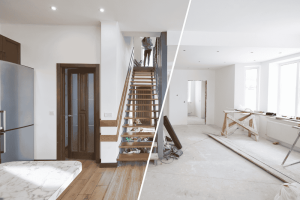
Commercial Renovation Tips can dramatically enhance both the functionality and appearance of a business space. Within the first steps of planning a renovation, business owners often discover how design, layout, and modern materials can influence customer perceptions and employee productivity. The right renovation strategy helps businesses stay competitive, attractive, and aligned with current industry standards.
Understanding the Importance of Commercial Renovation
A commercial renovation is more than a simple refresh—it’s a strategic investment that influences brand identity, customer experience, and operational efficiency. Well-executed renovations help businesses adapt to evolving market needs while improving comfort and workflow.
Updated designs, improved layouts, and modern materials can also extend a building’s lifespan and reduce ongoing maintenance costs. Whether you’re modernizing an office, enhancing a retail store, or upgrading a hospitality venue, thoughtful renovation strengthens long-term business performance.
Planning Your Renovation with Clear Goals
Before construction begins, solid planning ensures that your renovation aligns with business needs and avoids unnecessary setbacks. Clear goals help guide design choices, budgeting, and project timelines.
Identifying Functional Needs
Every business has unique operational requirements. Offices may need collaborative workstations; retail stores may benefit from improved traffic flow; restaurants may require better kitchen efficiency. Understanding your functional needs helps create a space that supports daily operations.
Setting a Realistic Budget
Budgeting should include materials, labor, permits, furnishings, and a contingency fund for unforeseen issues. Well-documented cost estimates keep the project organized and financially feasible.
Establishing a Practical Timeline
Timelines influence staff scheduling, customer communication, and project sequencing. Creating a well-structured renovation timeline minimizes disruptions and keeps everyone informed.
Designing a Space That Matches Your Brand
Your commercial space should reflect your brand’s personality. Effective design leaves a lasting impression and builds customer trust.
Prioritizing Customer Experience
Think about how visitors move through your space. Smooth navigation, clear signage, comfortable waiting areas, and attractive displays can improve customer satisfaction.
Using Durable and Professional Materials
High-quality materials—like commercial-grade flooring, energy-efficient lighting, and modern wall finishes—provide long-term durability and reduce maintenance costs.
Incorporating Modern Design Trends
Many businesses now prioritize natural light, open layouts, biophilic design (nature-inspired elements), and flexible workspaces. These trends enhance both aesthetics and function, creating a welcoming environment for visitors and staff.
Working with Experienced Contractors and Designers
A reliable renovation team is essential for ensuring your project stays on schedule and meets safety standards.
Checking Credentials and Portfolios
Look for licensed professionals with experience in commercial renovations. Review their previous work, qualifications, and references to confirm quality and reliability.
Establishing Strong Communication
Successful renovations depend on open communication. Regular updates, scheduled meetings, and shared documentation help avoid misunderstandings and costly mistakes.
Managing the Renovation Process Efficiently
Once construction begins, project oversight becomes crucial. A proactive approach ensures progress remains consistent.
Monitoring Daily Progress
Stay informed about tasks completed, materials delivered, and any challenges that arise. Being hands-on helps maintain accountability and efficiency.
Preparing for Temporary Disruptions
Renovations can create noise, dust, limited access, or partial closures. Keeping employees and customers informed helps maintain positive relationships.
Adapting When Unforeseen Issues Occur
Hidden structural or electrical problems are common in older commercial buildings. Flexibility prevents these surprises from derailing the project.
Incorporating Energy-Efficient and Sustainable Features
Sustainable renovations reduce operating costs and contribute to healthier work environments.
Updating Lighting and HVAC Systems
LED lighting, motion sensors, and high-efficiency HVAC units reduce energy consumption and improve comfort.
Choosing Eco-Friendly Materials
Low-VOC (volatile organic compound) paints, recycled flooring, and sustainably sourced wood help create cleaner, more environmentally conscious spaces.
Improving Insulation and Airflow
Better insulation reduces heating and cooling expenses, while modern ventilation systems improve indoor air quality—important for both employees and customers.
Final Thoughts
Commercial Renovation Tips guide business owners through the process of improving their workspace with efficiency, style, and long-term value in mind. A well-executed renovation enhances brand identity, supports daily operations, and elevates both customer and employee experiences. With professional planning, quality materials, and the right experts, your renovation becomes a strategic investment that strengthens your business for years to come.
FAQs about Commercial Renovation Tips
How do I estimate a realistic budget for a commercial renovation?
A realistic renovation budget includes labor, materials, permits, design fees, and a contingency fund of 10–15% for unexpected issues. Consulting experienced contractors helps establish accurate cost expectations.
How long does a commercial renovation usually take?
Small renovations can take several weeks, while larger structural projects may last several months. Timeline length depends on project complexity, contractor availability, and material delivery schedules.
Can my business stay open during the renovation process?
Some businesses can operate with temporary partitions or restricted areas, while others may need partial or full closures. Safety regulations and the scale of construction determine the best option.
What challenges commonly arise during commercial renovations?
Typical challenges include discovering hidden structural issues, obtaining permits, project delays, and budget adjustments. Strong communication with your contractor helps manage these situations effectively.
How do I choose the right renovation contractor?
Select contractors with commercial experience, licensing, insurance, and strong portfolios. Reviews, references, and transparent pricing are essential indicators of professionalism.
Why are sustainable features valuable in commercial renovations?
Energy-efficient lighting, smart climate systems, and eco-friendly materials reduce long-term operating expenses and support healthier indoor environments, benefiting both staff and visitors.